
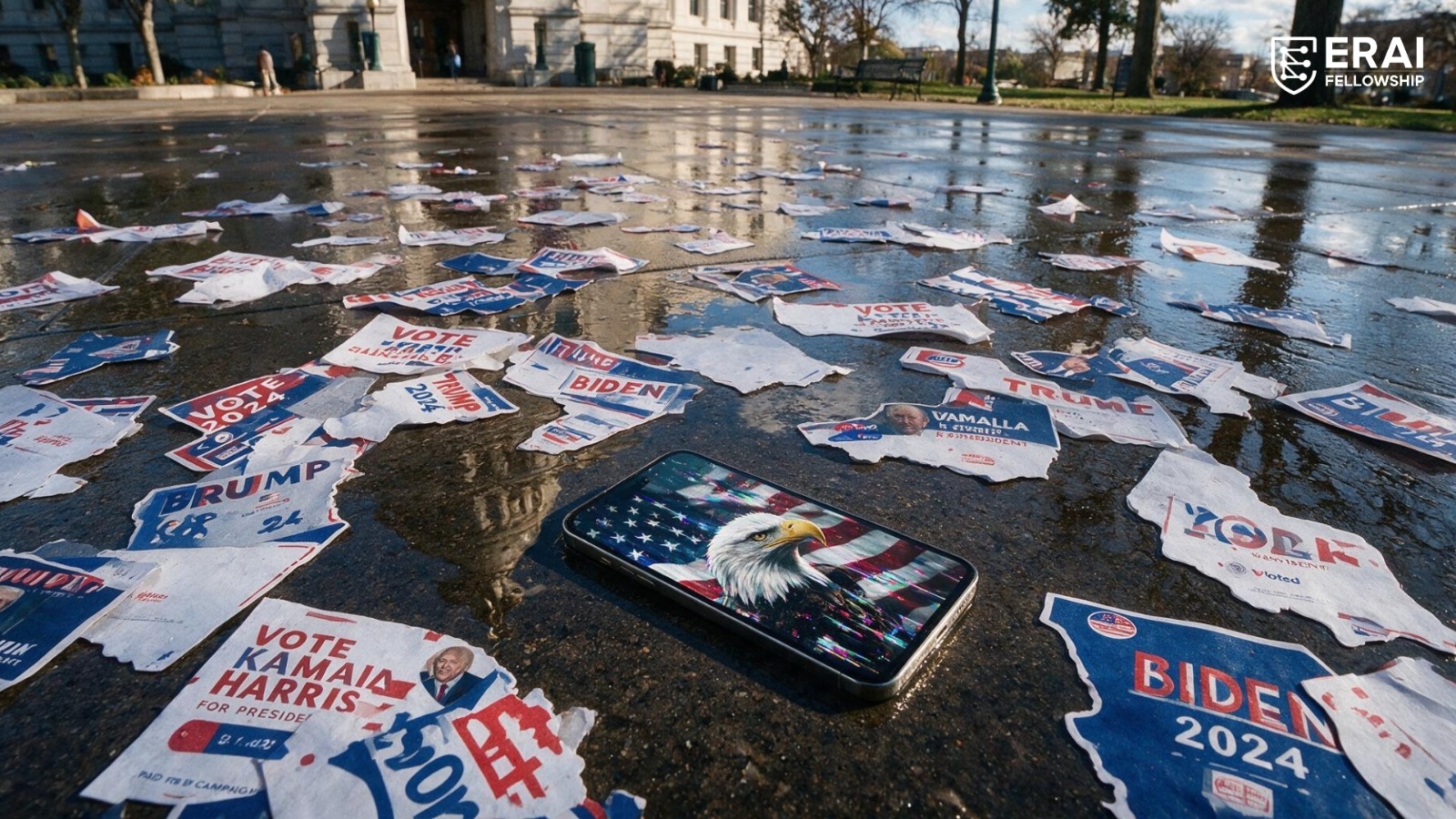
As of 2026, 29 US states enforce active statutes. It targets deceptive synthetic media in political campaigns. Federal trackers at Public Citizen and the Brennan Center for Justice monitor these statutes continuously. While federal action remains stalled, state lawmakers take direct control over election integrity. Judges of federal courts ruled against initial blanket bans in states. This even includes California. However, the state legislatures quickly responded. Now, the majority of states have laws regulating deceptive political campaigning media. And they are using targeted disclosure and fraud laws.
What States Have Laws Regulating AI-Generated Political Ads?
Voters regularly encounter synthetic campaign media on their social media feeds. Knowing local legal protections helps citizens identify authentic political messaging during election season. Legal analysts regularly evaluate deepfake election laws by state in 2026. So that they can map where synthetic media faces penalties. State statutes broadly divide into mandatory labeling rules and strict temporal bans.
The 29 Regulated Jurisdictions
Researchers track deepfake election laws by state in 2026. So that they can identify enforceable statutes post-court challenges across the country.
- West & Pacific: California, Oregon, Washington, Hawaii, Alaska, Colorado, Utah, Arizona, New Mexico
- Midwest & Plains: Minnesota, Michigan, Wisconsin, Illinois, Indiana, Ohio, Nebraska, South Dakota
- South & Southeast: Texas, Florida, Georgia, Louisiana, Mississippi, Virginia, North Carolina
- Northeast & Mid-Atlantic: New York, New Jersey, Pennsylvania, Connecticut, New Hampshire
The residents of these states have specific legal rights that protect them from digital deception. Meanwhile, the remaining 21 states rely on federal standards and traditional defamation law.
The Core Question: Is an AI-Generated Political Ad Illegal?
A lot of contemporary political campaign managers ask themselves a question. Is an AI ad considered an illegal act as per the existing federal legislation? The simple answer would be that it cannot be. Instead, legality depends entirely on state jurisdiction, creator intent, and conspicuous disclosure notices. Regulators classify political synthetic media into three specific compliance categories:
- Full Deception: It is prohibited in the states of Texas and Minnesota if published sixty days before an election.
- Satire and Parody: Allowed by the First Amendment, producers are allowed to use clear labels on their work.
- Undeclared Commercial Synthesis: Penalized under state AI campaign ad disclosure laws if sponsors omit required watermarks.
How State AI Campaign Ad Disclosure Laws Work
Transparency serves as the primary defense against voter manipulation and synthetic deception. Lawmakers recognize that total content prohibitions invite fatal constitutional challenges from civil liberties groups. Therefore, modern compliance teams study state AI campaign ad disclosure laws. So that they can follow mandatory labeling rules.
Standard Disclosure Requirements by Format
State statutes require distinct disclaimer formats depending on the specific medium used:
- Video Content: Must display a permanent, legible text banner throughout the entire clip runtime.
- Audio Content: Must broadcast clear spoken notices at the beginning and end of each recording.
- Static Imagery: Must include prominent written disclaimers placed directly beside the synthetic depiction.
Failure to incorporate these required notices results in automatic civil penalties. And may even cause court injunctions. In some states, political candidates targeted by such materials can sue for substantial statutory damages.
The Evolving Landscape: Deepfake Election Laws by State (2026 Analysis)
Legislative trackers offering an extensive database of legislation are managed by the Brennan Center for Justice and Public Citizen. The databases reveal that legislation has surged after the highly disputed 2024 general elections cycle. Legal teams consult updated deepfake election laws by state in 2026 to avoid severe regulatory penalties.
Common Enforcement Mechanisms Across States
State governments employ varied legal mechanisms to deter malicious campaign actors effectively:
- Expedited Injunctions: The courts have the power to compel platforms and campaigns to remove misleading media within 24 hours.
- Misdemeanors: Offenders receive criminal misdemeanor charges in states like Michigan and Texas.
- Civil Actions: Victims, the targeted candidates, can sue the creators for defamation and loss of funding.
Constitutional Challenges and First Amendment Limits
The federal judiciary subjects state election laws to review as per existing First Amendment standards. Due to such strict scrutiny, lawyers for election campaigns often wonder if an AI ad that features parody is legally acceptable. Judges consistently rule that obvious political satire enjoys strong constitutional protection. When California enacted a broad ban on deceptive campaign media, federal courts intervened quickly. Judges ruled that overly broad bans unconstitutionally suppress protected political satire and commentary. So, state legislatures reworked statutes to focus strictly on deliberate fraud and clear labeling.
Summary Action Plan for Campaigns and Creators
Navigating these diverse regulations requires strict technical workflows before any ad placement. The patchwork of state AI campaign ad disclosure laws means a single national ad can violate multiple state codes.
Campaign compliance teams should implement a standard four-step review process:
- Audit Digital Assets: Inspect every campaign visual and audio track for generative elements.
- Add Visual Disclaimers: Place permanent, high-contrast text overlays on all synthetic video assets.
- Embed Spoken Disclaimers: Insert explicit verbal notices into every AI-generated audio advertisement.
- Check Local Deadlines: Verify specific temporal blackout windows before launching paid digital distributions.
Campaign managers must review local deepfake election laws by state in 2026. That too prior to launching multi-state digital ad campaigns.
Stay Ahead of Election Tech Regulations
Synthetic media policy guidance involves real-time regulation tracking and monitoring. Get access to such insights directly. Subscribe to ERAI Insights. Remain updated on legal insights and 50-state compliance trackers.
FAQs
- Is AI-generated political content illegal in the US?
No federal statute bans AI-generated political content across the entire United States. Legality depends directly on state laws, creator intent, and disclosure notices. The First Amendment protects obvious political satire and labeled parody.
- Which states have laws against AI-generated political ads?
Twenty-nine states actively regulate deceptive synthetic media in political campaigns. These include California, Texas, Florida, New York, Michigan, Washington, and Minnesota. The remaining twenty-one states rely on standard federal rules and defamation statutes.
- What are the deepfake election laws by state in 2026?
State statutes enforce mandatory disclosure labels and strict pre-election temporal bans. Courts can order campaigns to remove deceptive media within 24 hours. Offenders face criminal misdemeanor charges in states like Texas and Michigan. Targeted candidates may also file civil lawsuits for monetary damages.
- Do political campaigns have to disclose AI-generated content?
Campaigns must disclose AI-generated content across the twenty-nine regulated states. Omitting required disclaimers triggers rapid court injunctions, civil fines, or criminal penalties. Campaign managers must verify local disclaimer rules before publishing any synthetic asset.
- What are the AI campaign ad disclosure laws by state?
State rules require distinct disclaimer formats depending on the advertising medium. Videos must display a permanent, legible text banner across the full runtime. Audio ads must air spoken notices at the beginning and end. Static graphics need clear text labels placed right beside the synthetic imagery.
- Are AI deepfakes illegal during US elections?
Deliberately deceptive deepfakes violate state laws during specified pre-election windows. Texas and Minnesota prohibit deceptive media within sixty days of an election. Obvious satire remains legal if creators include clear labeling.