
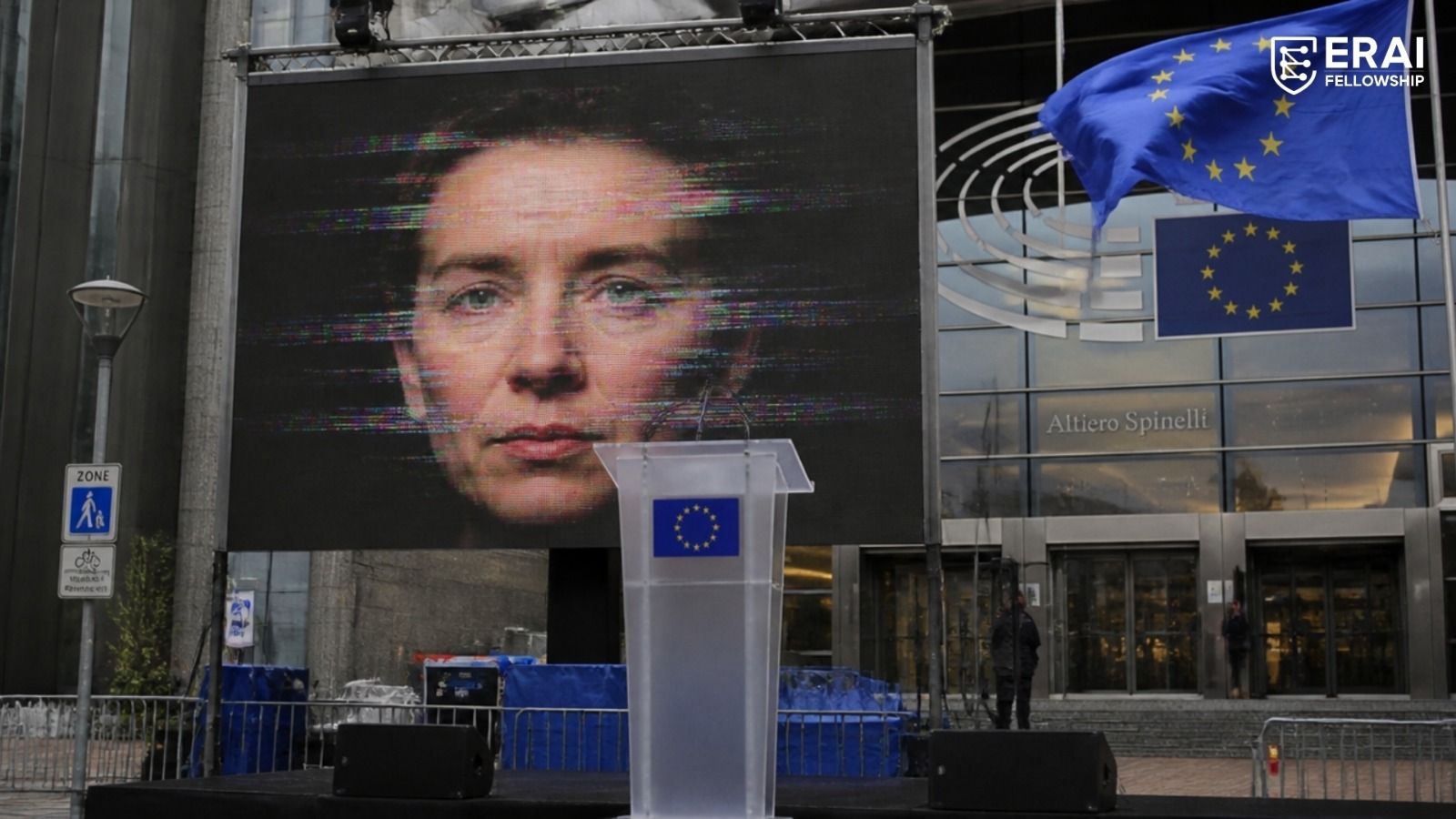
European democracy faces a major regulatory transformation this election season. On August 2, 2026, the EU AI Act achieved its enforcement threshold when Article 50 was enacted into law. This historic act ensures that stringent requirements for transparency are enforced in all member states. Political strategists need to adapt fast to comply with the new laws. Campaign teams cannot publish synthetic media without explicit disclosure anymore. Modern campaign tactics face direct regulatory scrutiny under these newly active mandates.
Does the EU AI Act Require Labeling AI-Generated Political Content?
Yes, the EU AI Act explicitly mandates clear labels for artificial political content. Article 50 enforces comprehensive disclosure obligations on deployers of generative AI systems. Political campaigns act as legal deployers whenever they distribute campaign materials to voters. Voters hold a legal right to know when the media depicts synthetic events. The law targets any content that mimics real people, locations, or authentic public events. Political parties must now provide clear disclaimers before public release.
The new rules establish three primary legal principles for political campaign communicators:
- Campaigns must disclose all artificially generated video, audio, and images immediately to the public.
- Teams must apply visible, machine-readable digital tags to all synthetic media files.
- Campaigners must maintain clear audit logs documenting human editorial oversight on text publications.
Understanding EU AI Act Deepfake Labeling Requirements
Campaign compliance teams must master the primary EU AI Act deepfake labeling requirements. The European Commission defines deepfakes as manipulated media resembling real entities or truthful events. The law sets specific presentation rules for each media category. Failure to apply proper labels creates severe exposure for campaign managers. Regulators evaluate label placement, visibility, and timing during public broadcasts.
Format-Specific Labeling Rules
- Video Broadcasts: Videos must display a permanent, high-contrast text overlay across the entire video runtime.
- Audio Advertisements: Audio tracks must broadcast an unambiguous spoken disclaimer at the very beginning.
- Static Campaign Graphics: Image posts must carry visible badges placed directly beside the modified visual.
- Interactive Chatbots: Automated campaign messengers must inform citizens immediately about their artificial identity.
Campaigners cannot bury disclaimers inside lengthy website terms or hidden video descriptions. Disclaimers must capture immediate voter attention on all digital distribution channels.
Practical Impact on EU AI Act Political Ad Transparency
Digital advertising drives modern elections across the 27 European Union member states. The new rules fundamentally change how teams manage EU AI Act political ad transparency. Paid social media placements require strict technical and visual metadata integration. Major digital platforms must detect and surface automated provenance data across feeds. Digital ad buyers must verify that creative assets include compliant cryptographic credentials.
Core Ad Transparency Obligations
- Campaigns must embed Coalition for Content Provenance and Authenticity (C2PA) watermarks into files.
- Marketing agencies must declare synthetic asset generation during digital ad purchasing workflows.
- Political organizations must register their primary AI content creation software with national authorities.
- Ad creative teams must store prompt logs alongside finalized marketing campaign materials.
These transparency standards prevent deceptive micro-targeting techniques during sensitive democratic voting cycles.
Key AI Act Election Content Rules for Campaign Staff
Campaign strategists must navigate AI Act election content rules across various media workflows. Everyday campaign activities utilize artificial intelligence for speed, translation, and graphic production. However, the law distinguishes assistive tools from deceptive synthetic output. Understanding these precise boundaries prevents accidental non-compliance during fast-moving political debates.
What Requires Mandatory Disclaimers
- Synthetic voice clones delivering campaign speeches or recorded fundraising calls.
- Altered video footage depicting opposing candidates in fictional policy scenarios.
- Artificially generated crowd photos representing public rallies or community demonstrations.
- Automated text generation published on public interest topics without human review.
What Remains Exempt from Labels
- Basic editing, such as photo editing, color correction, and background editing.
- Translation work processes that leverage the use of AI for editing messages.
- Short copywriting suggestions, headlines, and slogans polished by human communications staff.
- Obvious political satire where creators include clear creative notices for viewers.
Heavy Penalties Under EU AI Act Deepfake Labeling Requirements
The EU imposes serious penalties if anyone fails to comply with digital transparency regulations. Regulators treat political election manipulation with maximum legal severity. Violations of the EU AI Act deepfake labeling requirements carry heavy administrative fines. National market surveillance authorities collaborate directly with the European AI Office. These individuals monitor violations on social media, independent websites, and broadcast channels.
Enforcement Powers and Financial Penalties
- Enormous Administrative Penalties: The penalties can be as high as 15 million euros for major transparency violations.
- Penalties for Corporate Income: The penalties can be as high as three percent of annual turnover worldwide.
- Immediate Injunctions: Regulators can force immediate removal of deceptive assets from public channels.
- Platform Blacklisting: Digital distribution networks can permanently suspend non-compliant political campaign advertiser accounts.
These financial and reputational consequences make strict compliance an urgent priority for leadership.
Navigating EU AI Act Political Ad Transparency and Satire
Political speech heavily relies on parody, humor, and artistic expression during competitive campaigns. Article 50 includes explicit accommodations for creative political commentary. However, the law demands proper execution to preserve legal protections. Even humorous parodies require responsible notices to prevent widespread voter confusion. Maintaining EU AI Act political ad transparency protects creative teams from aggressive regulatory sanctions.
Best Practices for Political Satire
- Include clear opening title cards identifying satirical content on video sketches.
- Avoid deceptively realistic news broadcast formatting for fictional campaign scenarios.
- Provide visible credits stating the synthetic nature of parody voices and appearances.
- Document the artistic intent and production methods within internal campaign legal files.
Clear disclosure preserves artistic freedom while upholding European democratic standards.
Action Plan for AI Act Election Content Rules Compliance
Political campaign organizations must establish structured internal compliance workflows immediately. Relying on ad hoc editorial reviews creates unnecessary legal exposure for candidate operations. Modern campaign managers must operationalize the AI Act election content rules across all creative departments. Proactive governance protection helps to protect political brands and maintain citizen trust.
Step-by-Step Campaign Governance Protocol
- Perform an Asset Audit: List all the generative AI tools employed in your communications division.
- Create Label Templates: Design preapproved badges, banners, and scripts for your disclosures.
- Require Human Sign-Off: Mandate a written editorial approval before releasing any AI-augmented texts.
- Educate Your Workforce and Consultants: Train your employees, as well as your marketing firms and consultants, about the requirements of Article 50.
- Ensure Provenance Metadata: Make sure your exported digital files maintain cryptographic tags.
These operational steps ensure smooth campaign execution without disruptive regulatory investigations.
The Road Ahead for European Political Strategy
The enforcement of the EU AI Act marks a permanent shift in digital politics. Generation technologies will go on to ensure cost-efficient political communication throughout Europe. Nonetheless, transparency is what makes any participation in a democratic process legitimate. Campaigns that opt for proactive transparency will gain greater trust from their electors. Regulatory compliance is the competitive edge in contemporary elections.
Master EU AI Compliance with ERAI
Navigating European synthetic media regulations requires deep regulatory expertise and ongoing legal guidance. Our specialized faculty helps political organizations, candidates, and advocacy groups. So that they can maintain full compliance across European jurisdictions.
Talk to our policy faculty today to evaluate your campaign workflows and ensure complete Article 50 readiness.
FAQs
- Does the EU AI Act require labeling of AI-generated political content?
Yes, the EU AI Act mandates clear labels for artificial political content. Article 50 enforces strict disclosure rules on political campaigns across all member states. Teams must add visible notices and machine-readable tags to synthetic media.
- What does Article 50 of the EU AI Act say about deepfakes?
Article 50 requires deployers to disclose any manipulated media resembling real people or events. Content creators must label deepfakes clearly so voters can identify artificial media immediately. The law covers synthetic videos, altered photos, audio clones, and automated text.
- Are AI-generated political ads legal under the EU AI Act?
Yes, AI-generated political ads remain legal across the European Union. However, campaigns cannot release synthetic campaign ads without explicit disclosures. Teams must embed digital provenance data and declare synthetic assets during ad purchases.
- How must political campaigns label AI-generated deepfakes in the EU? Videos must show a permanent text banner across the entire runtime. Audio tracks must broadcast a clear spoken warning at the very start. Static graphics must display visible labels directly beside the image. Campaign chatbots must declare their artificial nature immediately to users.
- What are the penalties for violating EU AI Act deepfake rules?
Violators face severe administrative fines up to 15 million euros. Penalties can also reach three percent of an organization’s global annual turnover. Regulators can order immediate content takedowns, and platforms can ban advertiser accounts.
- What AI-generated content must political campaigns disclose under the EU AI Act?
Campaigns must disclose voice clones, fabricated opponent videos, and synthetic crowd photos. Unreviewed automated text on public interest topics also requires clear labeling. Basic photo edits, spelling corrections, and human-reviewed translations remain exempt from labels.